Hyaluronic Acid in Cosmetics: A Complete Guide to Its Properties, Molecular Weights, and Proper Use
Hyaluronic acid (HA) is one of the most important active ingredients in modern cosmetology. It is internationally recognized for its ability to provide immediate and effective hydration, and it is a key ingredient in face and body care products, such as serums, creams, masks, and gels.
This article focuses specifically on the use of hyaluronic acid in cosmetics, analyzing its molecular weight ranges, its effects depending on its form, and best practices for application to ensure maximum effectiveness.
What Is Hyaluronic Acid?;
Hyaluronic acid is a natural polysaccharide that belongs to the class of glycosaminoglycans (GAGs). In the human body, it is found primarily in the skin, joints, and eyes, where it acts as a moisturizing and structural agent.
In cosmetic products, hyaluronic acid has no acidic or exfoliating effect—despite its name. On the contrary, it is perfectly compatible with all skin types, even sensitive or irritated skin, as it acts in a gentle yet effective way, providing hydration, elasticity, and comfort.
How Hyaluronic Acid Works on the Skin
The main property of HA is its ability to bind water: it can hold up to 1,000 times its weight in moisture. This makes it an ideal ingredient for boosting hydration and maintaining the natural balance of the skin barrier.
When used correctly, hyaluronic acid:
-
It boosts the skin's moisture levels
-
Improves skin elasticity
-
It reduces the appearance of fine lines by «filling in» the skin's surface
-
Protects against dehydration and environmental factors
-
Helps restore and rejuvenate the skin
The Importance of Molecular Weight
Hyaluronic acid is available in cosmetic products in various molecular weights, which directly affect its behavior on the skin.
| Category |
Molecular Weight (kDa) |
Properties |
| Very high |
>1,500 |
Creates a protective film, protects, soothes |
| High |
800–1500 |
Improves skin texture and provides surface hydration |
| Medium |
400–800 |
It moisturizes the upper layers of the epidermis |
| Low |
50–400 |
Penetrates deeper, enhances elasticity |
| Very low |
<50 |
It penetrates deeper layers, stimulates collagen production, and regenerates |
Many modern cosmetics are based on a combination of different molecular weights (multi-weight HA), so that they provide multi-level hydration: both immediately on the surface and in the deeper layers of the epidermis.
Proper Use of Hyaluronic Acid
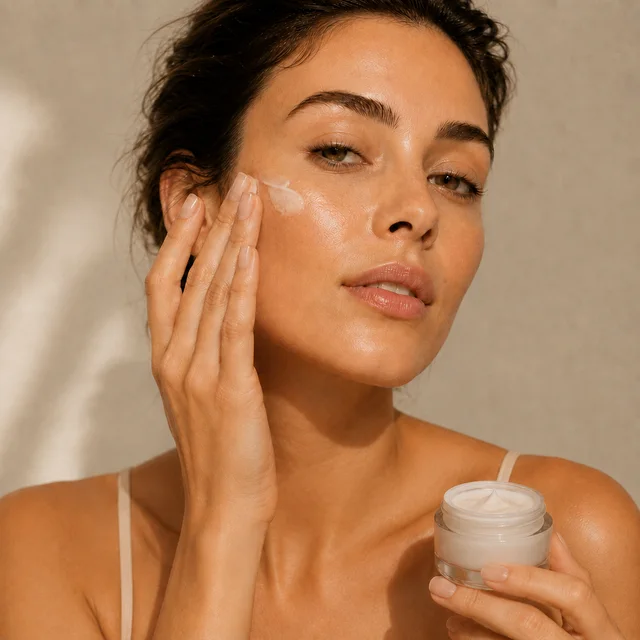
For hyaluronic acid to be fully effective, it must be applied correctly:
-
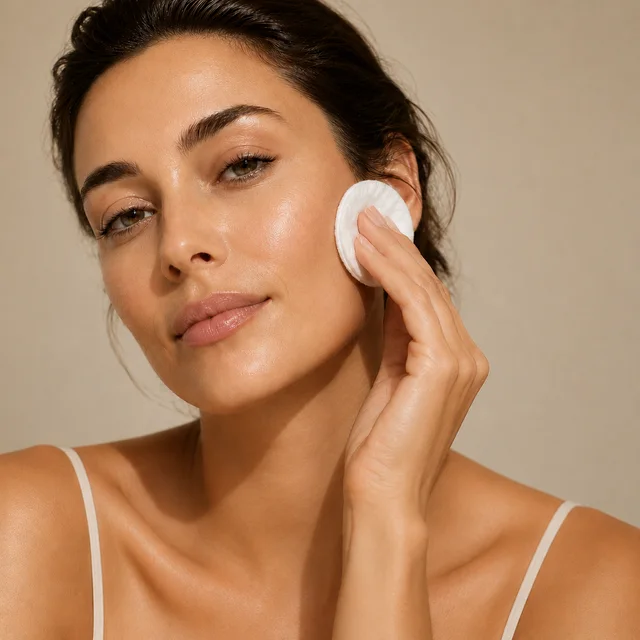
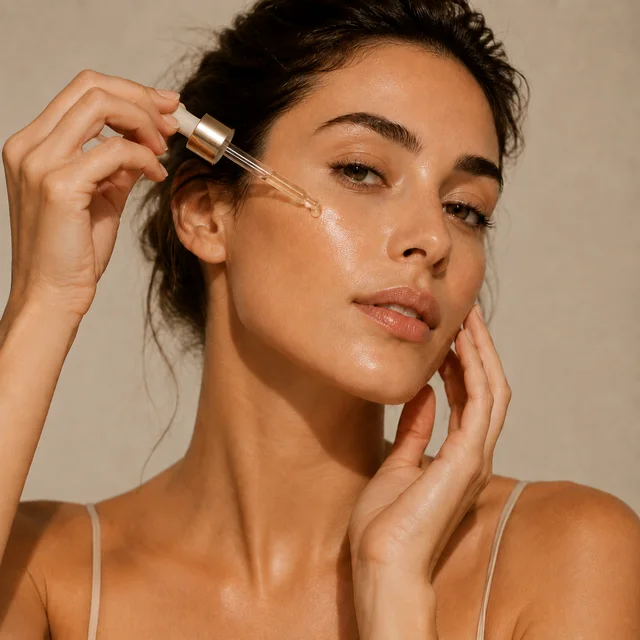
It always applies to fresh skin, after cleansing or after using a hydrating mist.
-
It must be followed by moisturizing cream or oil, so that moisture is “sealed in” and its evaporation is prevented.
-
It should not be used on its own on very dry or damaged skin, as there is a risk that it will draw moisture from deep within the skin to the surface.
Common Mistakes in Use
Despite its popularity, the improper use of hyaluronic acid can have the opposite effect of what is desired:
-
Apply to dry skin: HA needs water to function properly. On dry skin, it can have a dehydrating effect.
-
Absence of moisturizer after: If a moisture-locking treatment is not applied, the moisture can evaporate, leaving the skin drier.
-
Unsupported low-molecular-weight hyperconcentration: May cause a tingling sensation or mild irritation on sensitive skin.
Why Choose Products with Hyaluronic Acid
The presence of hyaluronic acid in a cosmetic product is an indication of high-quality skincare, provided that:
-
Contains HA types suitable for your skin type and needs
-
It is combined with ingredients that enhance its effectiveness (e.g., glycerin, panthenol, plant extracts)
-
It is applied in accordance with the principles of good cosmetic practice
It can be used starting at a young age as part of a basic moisturizing routine, but it can also be incorporated into anti-aging formulas for mature skin.
Conclusions
Hyaluronic acid is not just a «trend» in the cosmetics industry, but a scientifically proven active ingredient that can provide deep hydration, improve elasticity, and soothe the skin, when used correctly. Choosing products with a range of molecular weights and applying them to damp skin, followed by moisturizing, are key to their effectiveness.
Scientific References
-
Papakonstantinou, E., Roth, M., and Karakiulakis, G. (2012). Hyaluronic Acid: A Key Molecule in Skin Aging. Dermato-Endocrinology, 4(3), 253–258.
-
Wanitphakdeedecha, R., and Manuskiatti, W. (2021). Moisturizing Effects of Topical Hyaluronic Acid Formulations. Clinical, Cosmetic, and Investigational Dermatology.
-
Farnesi, D., Gemmati, D., Rizzo, L., et al. (2017). Evaluation of the Effects of Different Molecular Weights of HA on Skin Hydration and Elasticity. Journal of Cosmetic Dermatology.
-
Healthline (2023). Hyaluronic Acid Skincare: What You Need to Know.
-
Verywell Health (2024). How to Use Hyaluronic Acid Properly for Your Skin.
-
Scientific Committee on Consumer Safety (SCCS), European Commission (2021). Opinion on Hyaluronic Acid in Cosmetic Products.
-
Patient.info (2023). Hyaluronic Acid: Benefits, Types, and Proper Application.