Anti-Pollution Skincare: A Scientific Approach to Protecting the Skin
Introduction
Skin exposure to environmental pollutants is one of the most significant external factors contributing to premature aging and inflammatory lesions. This phenomenon is more pronounced in urban centers, where concentrations of particulate matter (PM), gases such as NO₂ and O₃, and volatile organic compounds are elevated. The use of dermatological formulations designed to protect against this environmental stress constitutes the scientific field known as anti-pollution skincare.
Mechanisms of skin damage
The main biochemical effects of pollution on the skin include:
-
Formation of reactive oxygen species (ROS)
Pollutants induce oxidative stress within cells, causing damage to lipids, proteins, and DNA.
-
Disruption of the skin barrier
A decrease in epidermal lipids and natural moisturizing factors leads to increased transepidermal water loss and sensitivity.
-
Inflammatory Response and Expression of Matrix Metalloproteinases (MMPs)
The activation of pro-inflammatory cytokines leads to the breakdown of structural components of the chorion, such as collagen and elastin.
-
Microbiome Dysbiosis
Pollution has been linked to changes in the skin's microbiome, which affect its immune response.
Skin Protection Strategies
Modern cosmetic technology focuses on enhancing the skin's natural defenses through a multifactorial approach:
1. Mechanical protection (barrier)
The formation of a thin film on the surface of the epidermis can limit the penetration of pollutants, particularly microscopic airborne particles. Naturally occurring polysaccharides and biopolymers are often used for this purpose, creating a protective film without clogging the pores.
2. Antioxidant defense
Enhancing the body’s natural enzymatic and non-enzymatic antioxidant defense mechanisms is a key component of anti-pollution formulations. Compounds capable of neutralizing ROS and inhibiting oxidative inflammation slow down aging and restore cellular homeostasis.
3. Anti-inflammatory action
Pollution is associated with increased secretion of IL-1, IL-6, and TNF-α. The inclusion of natural compounds with mild anti-inflammatory and immunomodulatory effects helps reduce redness and sensitivity, particularly in sensitive or acne-prone skin.
4. Repairing and Strengthening the Skin Barrier
Restoring the skin’s natural barrier through lipid-reinforcing agents, humectants, and ingredients structurally similar to the epidermis (e.g., endogenous molecules) enhances long-term resilience to environmental stress.
5. Microbiome Support
The use of prebiotics and microbiome-modulating agents can help balance the skin’s microbiota, thereby protecting against inflammation or dysbiosis associated with pollution.
Daily use in an urban environment
The ideal routine includes:
-
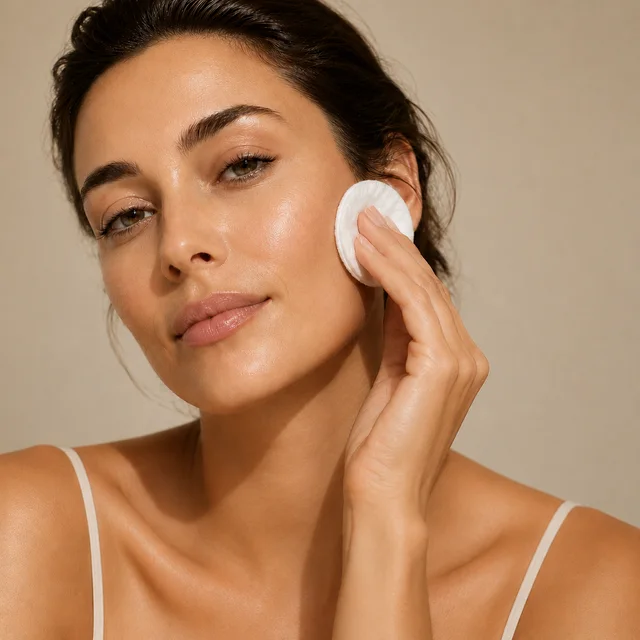
Gentle yet effective cleaning two-phase (oil-based + aqueous) to remove particles and fat-soluble pollutants.
-
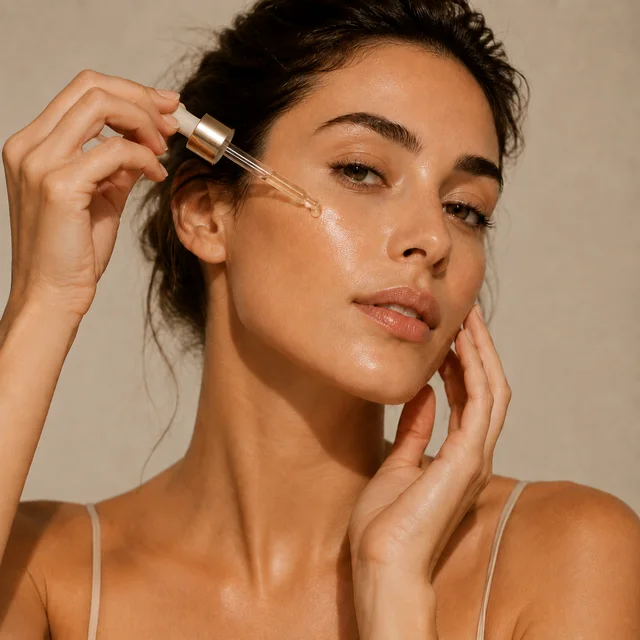
Targeted support with concentrated serums, which are rich in antioxidants and anti-inflammatory compounds.
-
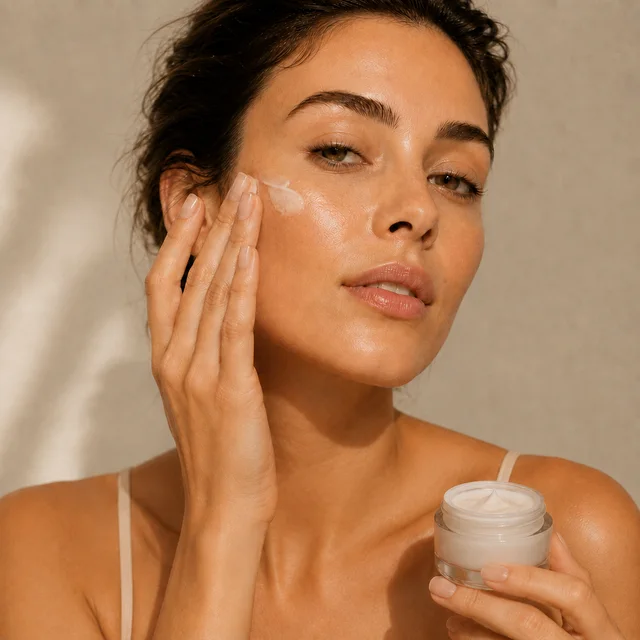
Lightweight moisturizers with barrier-strengthening ingredients, which are absorbed without weighing down the skin.
-
Daily Use of Sunscreen with broad-spectrum filters and protection against environmental stress.
-
Weekly treatment with detoxifying masks, ideally with natural minerals or marine active ingredients.
Conclusions
The burden of air pollution is not only environmental, but also skin problem. Modern cosmetic solutions, when based on scientifically proven strategies, can offer multi-layered protection on a daily basis, especially in environments with high pollution levels.
Selected Bibliography
-
Valacchi, G. et al. (2012). Skin Responses to Environmental Stressors. Annals of the New York Academy of Sciences, 1271(1), 75–81.
-
Puri, P. et al. (2017). Effects of Air Pollution on the Skin: A Review. Indian Journal of Dermatology, Venereology, and Leprology, 83(4), 415–423.
-
Vierkötter, A., & Krutmann, J. (2012). Environmental Factors Affecting Skin Aging and Ethnogeographic Differences. *Free Radical Biology and Medicine*, 65, 386–391.
-
Hüls, A. et al. (2016). Traffic-related air pollution contributes to the development of facial lentigines. Journal of Investigative Dermatology, 136(8), 1575–1582.
-
Pan, T. L., Wang, P. W., Aljuffali, I. A., Huang, C. T., & Fang, J. Y. (2015). The Impact of Urban Particulate Pollution on Skin Barrier Function and the Protective Role of Antioxidants. Environmental Pollution, 206, 255–261.
-
Kim, K. E., Cho, D., & Park, H. J. (2016). Air Pollution and Skin Diseases: Adverse Effects of Airborne Particulate Matter on Various Skin Diseases. Life Sciences, 152, 126–134.
-
Dreno, B. et al. (2019). The cutaneous microbiome and acne vulgaris: new insights from the interaction between the host and the microflora. Clinical, Cosmetic and Investigational Dermatology, 12, 811–823.
-
Katta, R., & Brown, D. N. (2015). Diet and Dermatology: The Role of Dietary Intervention in Skin Disease. Journal of Clinical and Aesthetic Dermatology, 8(4), 46–51.
-
Xu, F. et al. (2021). Protective Effects of Natural Products Against Skin Photoaging. Oxidative Medicine and Cellular Longevity, 2021, Article ID 6096458.