Neurocosmetics: The Future of Anti-Aging?;
In recent years, the science of cosmetics has evolved rapidly, with a new category of products gaining ground: the neurocosmetics. These are innovative ingredients that interact with the nervous system of the skin, providing targeted anti-aging benefits.
But what exactly are neurocosmetics? Can they really replace injectable treatments such as Botox; And what are the most promising ingredients? In this article, we answer all these questions with scientific references and data from clinical studies.
What Are Neurocosmetics?;
The neurocosmetics (neurocosmetics) are cosmetic products that contain bioactive molecules capable of interacting with the neurotransmitter system of the skin. The skin is not merely a passive barrier, but a dynamic organ that possesses its own nervous system and constantly communicates with the brain via neurotransmitters and neuropeptides.
The basic principle of neurocosmetics is to regulate neural activity in the skin, reducing muscle contractions, soothing irritation, and enhancing the skin regeneration.
How Do They Affect the Skin's Nervous System?;
Neurocosmetics contain bioactive ingredients, such as:
- Neuropeptides: Similar to those used by the body to transmit signals between nerve cells.
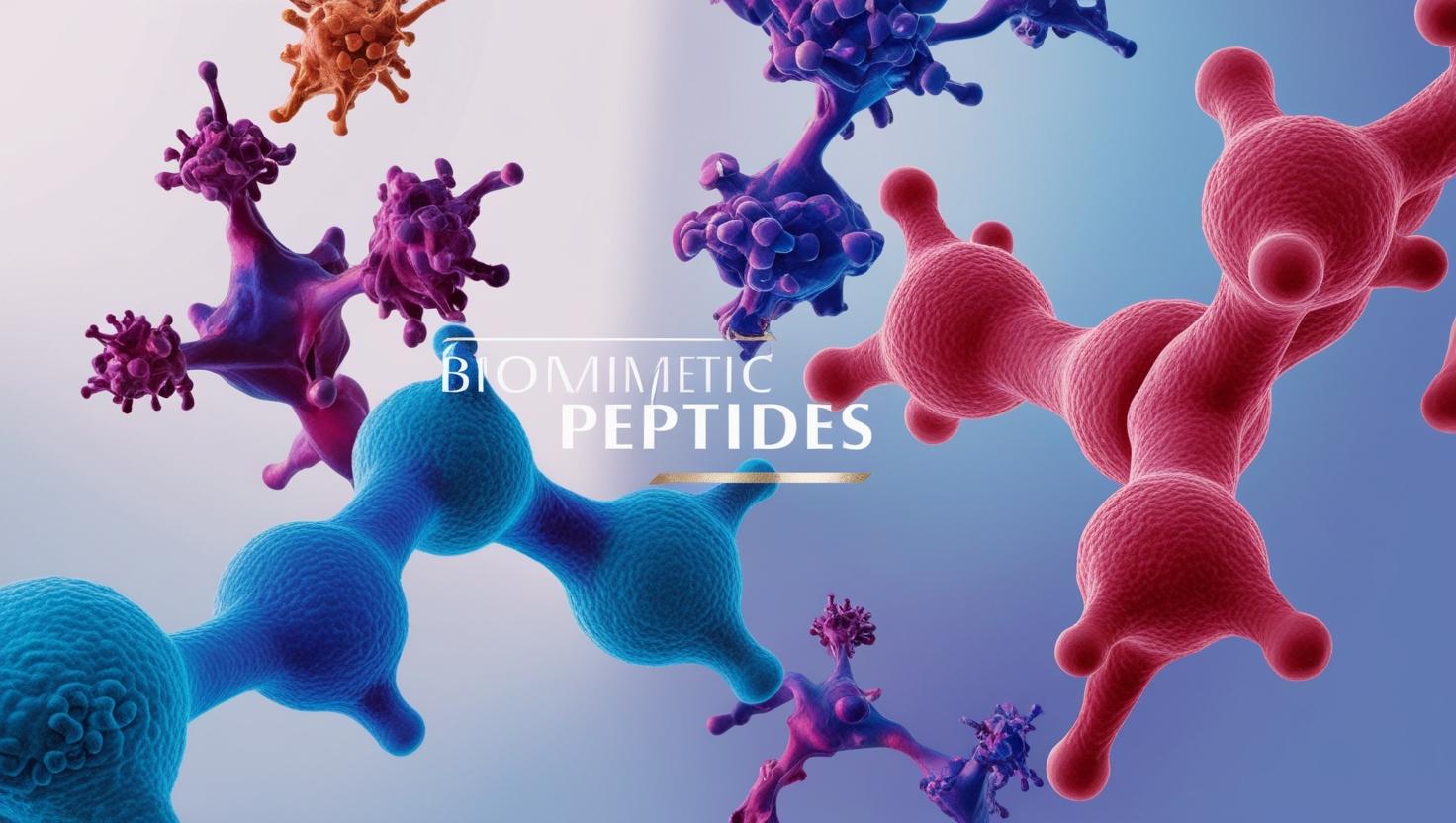
- Bionic peptides: They mimic natural skin processes, such as the inhibition of acetylcholine, causing the muscles to relax and reducing wrinkles.
- Anti-inflammatory molecules: They help reduce skin hypersensitivity through neurological mechanisms.
One of the most well-known ingredients in this category is the Acetyl Hexapeptide-8 (Argireline®), which is often called “Botox-like” peptide.
The Most Promising Ingredients in Neurocosmetics
| Ingredient |
Mechanism of Action |
Benefits |
| Acetyl Hexapeptide-8 (Argireline®) |
Inhibition of acetylcholine release |
Reduction of dynamic wrinkles, with results similar to Botox |
| Palmitoyl Tripeptide-38 |
Stimulation of collagen synthesis |
Skin Tightening and Exfoliation |
| Snap-8™ Peptide |
Regulation of Muscle Contractions |
Preventing New Wrinkles |
| Leuphasyl® |
Decrease in neural signals |
Sagging of facial features |
The ingredients listed above are used in products such as serums, face creams, and masks.
Can They Replace Injectable Treatments?;
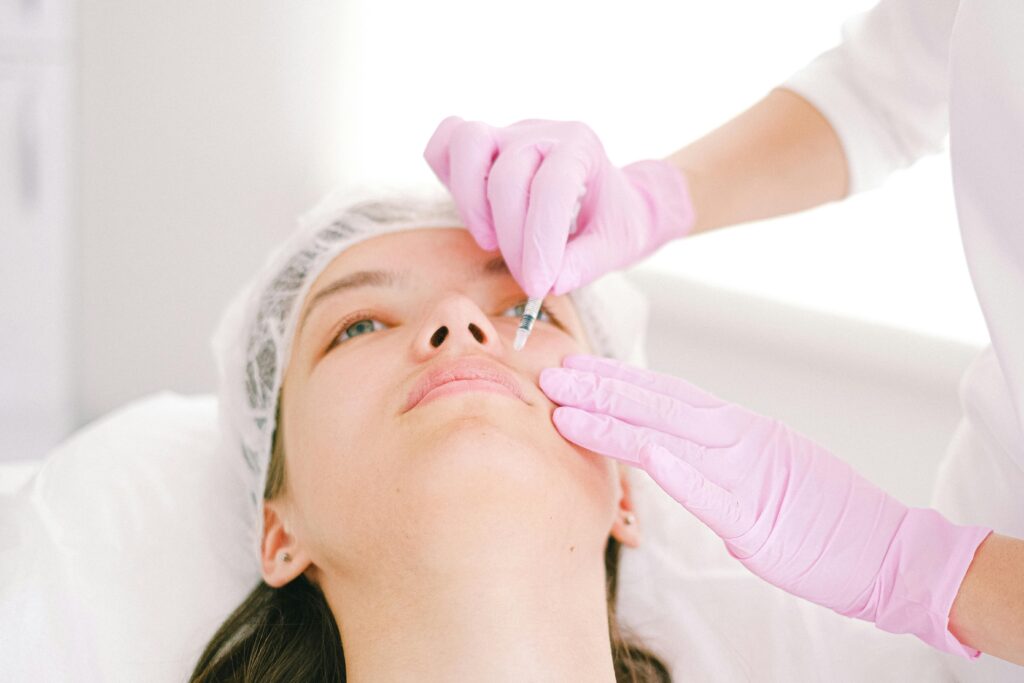
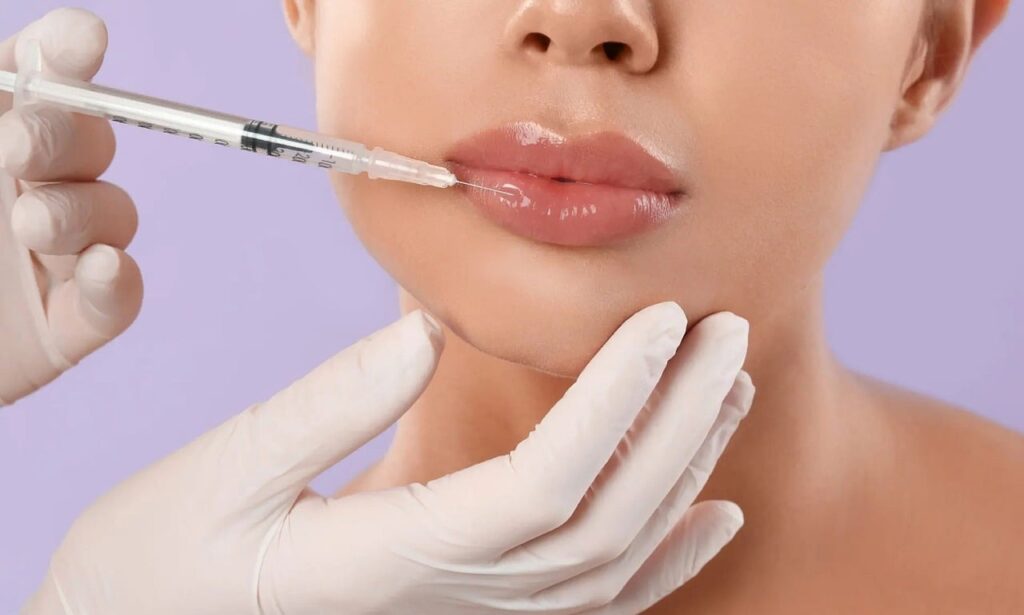
Neurocosmetics They are not the same as injectable treatments, such as the Botox, but they can offer an alternative result needle-free.
📌 What do the studies show?;
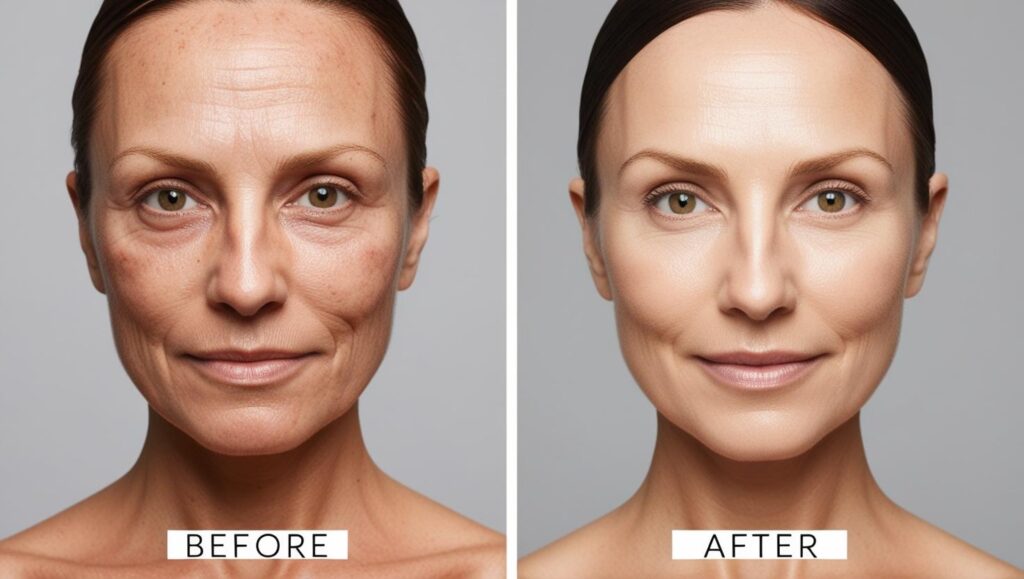
- Studies have shown that the Acetyl Hexapeptide-8 can reduce expression lines by up to 30% in 30 days.
- The combination neuropeptides and antioxidants enhances anti-aging effects.
- The results are more mild and temporary compared to Botox, but noticeable.
📢 Conclusion: For people who do not wish to receive injectable treatments, neurocosmetics offer a revolutionary alternative.
Where Can We Find Them?;
Neurocosmetic ingredients are found in the following products:
- Anti-Aging Serums
- Face-Lifting Creams
- Peptide Serums
- Specialized Treatments for Expression Lines
They can be found at pharmacies, specialty cosmetics stores, and online skincare platforms.
Frequently Asked Questions
❓ Are neurocosmetics safe?;
✅ Yes, they are safe and do not cause side effects such as injectable treatments.
❓ How quickly do the results become apparent?;
⏳ Usually within 2–4 weeks.
❓ Can they be used together with Botox?;
💉 Yes! They can prolong the effects of Botox.
Conclusion
The neurocosmetics represent a revolutionary innovation in the field of anti-aging. Although They do not completely replace Botox, can reduce expression lines and improve the neurological balance of the skin and to offer a natural result without injections.
For those looking for alternative approaches to anti-aging, the Neurocosmetics are the future!
Bibliography
1️⃣ Blanes-Mira, C., et al. (2002). “A synthetic hexapeptide (Argireline) with anti-wrinkle activity.” International Journal of Cosmetic Science, 24(5), 303-310.
2️⃣ Lupo, M. P., & Cole, A. L. (2007). “Cosmeceutical peptides.” Dermatologic Therapy, 20(5), 343-349.
3️⃣ Schagen, S. K. (2017). “Topical peptide treatments with effective anti-aging results.” Dermato-Endocrinology, 9(1), e1361574.