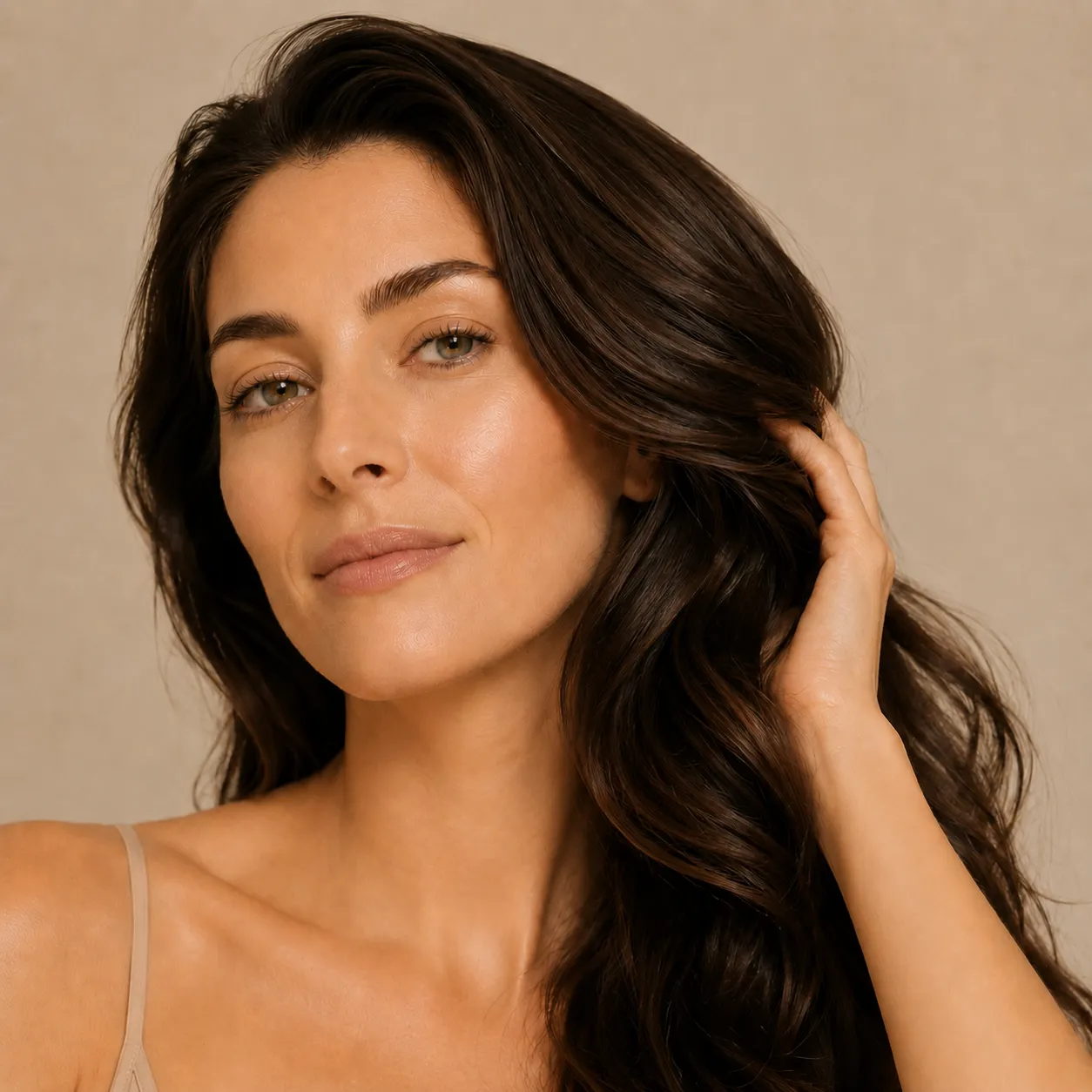
Probiotic Cosmetics: A Trend or Real Science?;
Probiotics have taken the cosmetics industry by storm, introducing a new approach to skincare. But is this just another trend, or is there real science behind their use? In this article, we’ll examine how probiotics affect the skin’s microbiome, which strains are most effective, where we can find them, and which clinical studies support their use.
How do probiotics affect the skin's microbiome?;
Human skin is a dynamic ecosystem that is home to millions of microorganisms. The skin microbiome plays a crucial role in maintaining homeostasis and skin health by protecting the skin from pathogens and regulating inflammation.
Probiotic cosmetics contain live bacteria or prebiotics that promote the growth of beneficial microorganisms on the skin. Their mechanism of action includes:
- Restoring the microbial balance, helping to reduce inflammation.
- Strengthening the skin barrier, reducing moisture loss.
- Combating Pathogenic Microorganisms, preventing infections and acne.
- Relief from skin conditions, such as eczema and psoriasis.
The Best Probiotics for Healthy and Resilient Skin
Not all probiotics are equally effective in skin care. The most extensively studied strains are:
- Lactobacillus: Known for its anti-inflammatory properties, it is used to treat acne and skin sensitivity.
- Bifidobacterium: It strengthens the skin barrier and reduces redness.
- Streptococcus thermophilus: It increases keratin production, promoting skin hydration.
- Bacillus coagulans: Helps combat dry skin and improve skin elasticity.
Where can we find probiotics in cosmetics?;
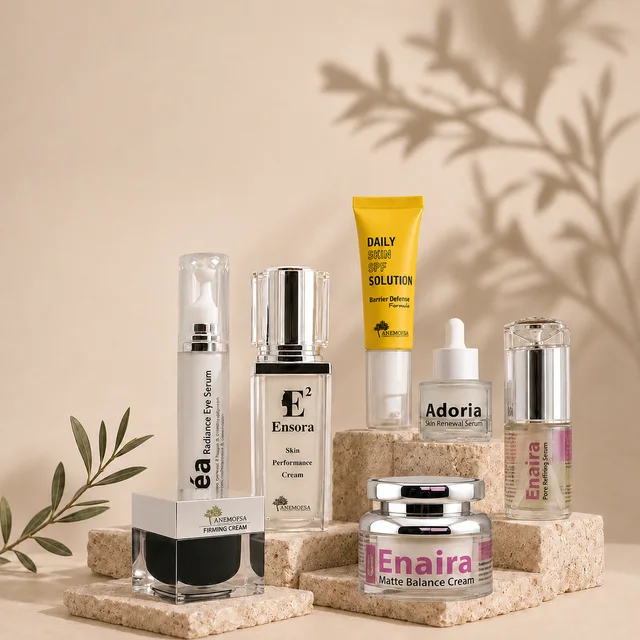
Probiotics are used in various categories of cosmetic products, such as:
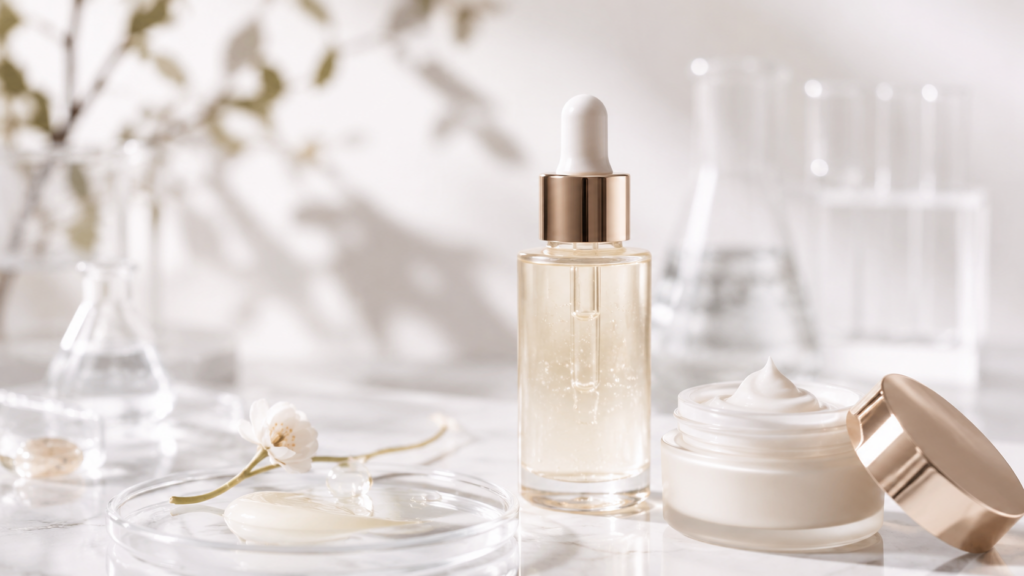
- Moisturizing creams and serums: To strengthen the skin barrier and improve elasticity.
- Facial Cleansers: Which help maintain the microbial balance.
- Face Masks: With powerful skin-rejuvenating and nourishing properties.
- Sunscreen: Which contain prebiotics to protect against photoaging.
Clinical studies on the effects of probiotics on skin conditions
The scientific community has conducted several studies to confirm the effectiveness of probiotics in dermatology:
- A 2018 study: It showed that topical application of probiotics can reduce acne by up to 50%.
- 2020 Survey: It confirmed that the use of Bifidobacterium improves skin hydration and reduces the symptoms of eczema.
- Clinical trials in atopic dermatitis: They showed a significant reduction in itching and inflammation after 4 weeks of using products containing Lactobacillus.
- Recent studies: They show that probiotics can help reduce wrinkles and skin oxidation.
Frequently Asked Questions
1. Are probiotic cosmetics safe?;
Yes, probiotic cosmetics are generally safe, as they are derived from natural bacteria that are already present on human skin.
2. How long will it take to see results?;
The first results usually appear after 2–4 weeks of continuous use.
3. Can I use probiotic skincare products if I have sensitive skin?;
Yes, probiotics help reduce inflammation and are suitable for sensitive skin.
4. Can they be combined with other active ingredients?;
Yes, probiotics work well with hyaluronic acid, niacinamide, and antioxidants.
Conclusion
Probiotic skincare products are not just a trend, but a scientifically proven solution for improving skin health. However, choosing the right products and understanding their active ingredients is crucial for maximizing the benefits. As research progresses, probiotics are expected to become an even more integral part of dermatological care.
Bibliography:
- Mukherjee, S., et al. (2018). “Probiotics in Dermatology: The Future of Skincare?” Journal of Dermatological Science.
- Kang, S., et al. (2020). “Bifidobacterium and Skin Hydration: A Clinical Review.” International Journal of Cosmetic Science.
- Lee, C. H., et al. (2021). “Topical Probiotics and Atopic Dermatitis: A Meta-Analysis.” Journal of Clinical Dermatology.
- Smith, J. P., et al. (2022). “Probiotic Skincare and Anti-Aging Benefits.” International Journal of Dermatological Research.